
If the house is yours
- Aadhaar card of the person applying
- A recent electricity bill
- Bank passbook or a cancelled cheque
- Something showing the roof is yours
- A letter from the society, if the terrace is shared
PM Surya Ghar
Current central assistance
Under the PM Surya Ghar scheme, the government pays part of the cost of putting solar on your home. How much you get depends on the size of the system. You pay for the system as usual, and the government sends its share straight to your bank account once the work is done and checked.
Scheme valid till 31 March 2027. Applications must be registered and commissioned within the scheme period.
Last updated: September 2026Subsidy amounts and eligibility are subject to prevailing MNRE/DISCOM guidelines.
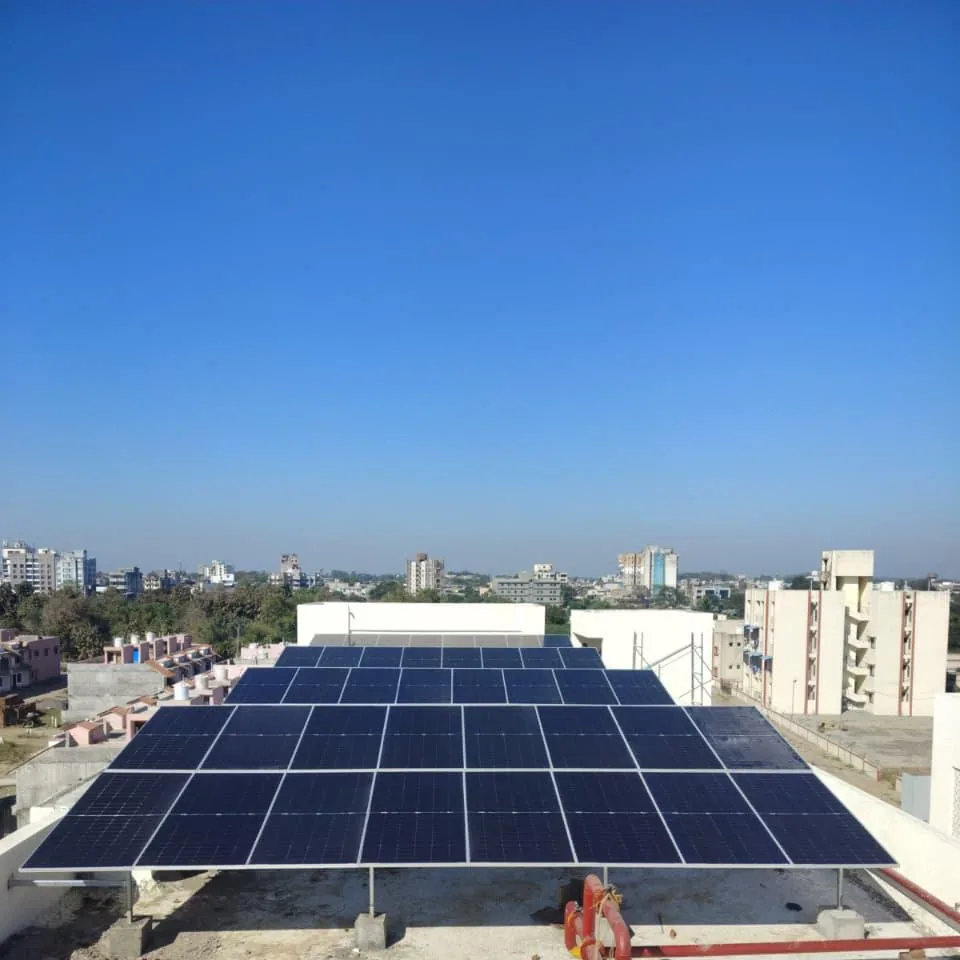
Before you apply
Four things decide it. We check all four for you before anything is filed, so you are not left waiting on an application that was never going to go through.
What we handle for you
The administration is handled in full by our office, which files these applications every week.
We fill the government portal using the details on your electricity bill. All we need from you is the bill.
Your electricity company has to approve the connection first. We apply and we follow it up so it does not sit in a queue.
Panels, structure, wiring and inverter, fitted and tested by our own team — not handed to a sub-contractor.
Your electricity company inspects the work and fits the new meter that counts what you send back to the grid.
Once the inspection is passed, the government transfers your amount to the bank account in the application.
Housing societies and RWAs
If your society puts solar on the things everyone shares — lifts, water pumps, corridor and parking lights, EV charging — the subsidy is worked out per kW instead of per flat, and it is paid into the society account. It is usually the fastest way to bring down the maintenance bill.
Scheme valid till 31 March 2027 · Last updated: September 2026. Subsidy amounts and eligibility are subject to prevailing MNRE/DISCOM guidelines.
One thing societies get caught out by: the 500 kW limit counts the panels residents have already put on their own flats, and the scheme allows up to 10 kW per house. We check where your society already stands before we apply, so the application is not rejected on a number nobody had added up.
Start to finish
From the day you send the bill to the day the money lands, this is the whole route. Your part is the bill, your documents and a signature.
We register your application on the government portal using the details printed on your electricity bill.
We apply to your electricity company for permission to connect the system to the grid.
We measure your terrace and design the system around the space, the shade and how much power you use.
Our team installs the panels, the structure, the wiring and the inverter, and tests everything.
Your electricity company inspects the work and fits the new meter. The system starts running.
After the inspection is passed, the government transfers your amount to the bank account in the application.
Keep these ready
Nothing unusual, and nothing you have to chase. A society application needs a few extra papers on top of the personal ones.
Subsidy questions
Direct answers, including where the answer is no.
Any home with a residential electricity connection can apply. The bill has to be a home connection, and the name on the bill should match the person applying. If the terrace is shared, the society has to give a letter. We check all of this for you before we start the application.
No. This scheme is only for homes. If you run a business, the money side works differently — you claim depreciation on the system and save on a higher electricity rate, which usually works out better. Tell us and we will size that instead.
After the system is installed and your electricity company has inspected it and fitted the new meter. The government then transfers the amount to the bank account given in the application. It does not come before installation.
The government can revise the scheme. We check the current rules and amounts on the day we prepare your application, so the figure we give you is the one that applies to your case, not an old one.
No. We do the portal application, the drawings, the follow-up with your electricity company and the inspection. You share the bill and your documents, and you sign where your signature is needed.
Not a home?
This subsidy is only for homes, but a business has a different route — a large part of the system may be written off against tax in the first year, and the rate paid per unit is usually higher to begin with. Send a bill and we will show you what that looks like for your place.
Figures are indicative and subject to applicable government regulations, tariff structure, project conditions and tax treatment.
Residential subsidy help
We will tell you the size that suits your home, what you are likely to get back, and what still needs checking on the terrace. No cost, and no obligation to go ahead.
Official references: Government scheme announcement · MNRE rooftop programme