In short
- South Gujarat industrial load is heavily daytime, which is the best condition for rooftop solar
- Sheet roofs need purlin spacing, sheet condition and fixings assessed before any layout is fixed
- Transformer headroom in dense estates is a real constraint and is checked at enquiry
- Above 150 kVA of contracted demand the scheme connects at HT, which changes the whole approval route
Load profile is the local advantage
Textile processing, chemical units, engineering workshops and food processing across Sachin, Pandesara, Hazira, Ankleshwar and Vapi run heavy daytime load. That is the single most favourable condition for rooftop solar, because generation coincides with consumption and units displace retail-rate power rather than being exported.
Where a plant runs three shifts, the array still only covers the daylight portion. That is not a problem, but it does mean sizing to annual consumption is wrong — the plant should be sized against what runs while the sun is up.
Sheet roofs, and what they carry
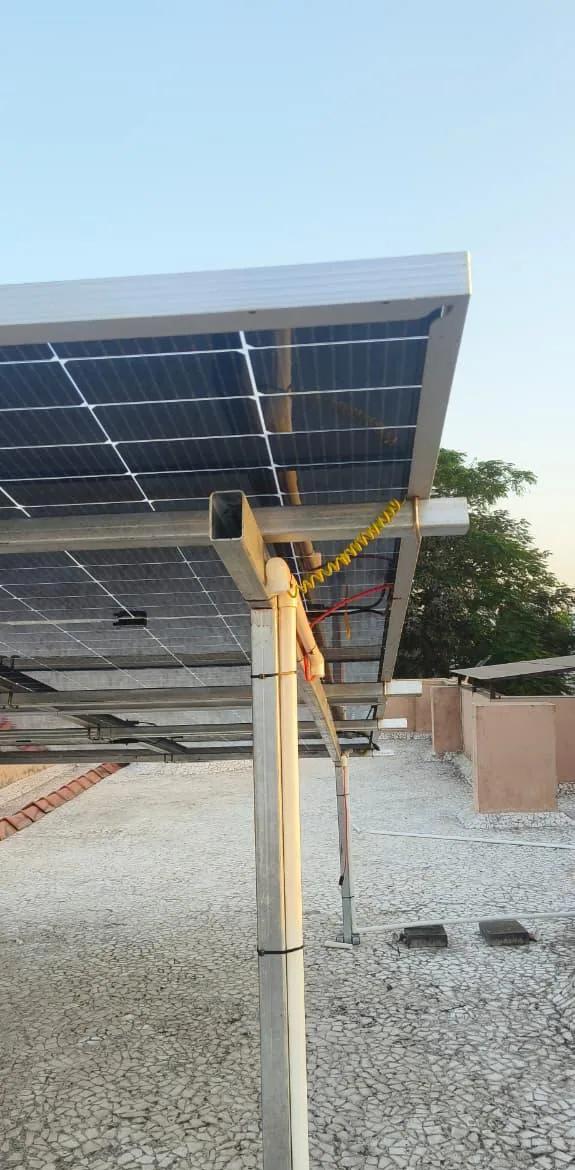
Much of the industrial stock in these estates is sheeted rather than RCC. Sheet roofs can carry a well-designed array, but purlin spacing, sheet condition and the age of the fixings decide the mounting approach and sometimes rule out a conventional structure.
Where a roof cannot take a standard structure, the honest answer is to say so and price the alternative — reinforcement, a different mounting system, or a smaller array — rather than loading it anyway and creating a leak or a structural problem two monsoons later.
Transformer headroom in a dense estate
Cumulative solar in an area is limited to 30% of the distribution transformer capacity serving it. In estates where several units have already installed, that headroom may be partly used before you apply.
This is checked at enquiry stage. It is one of the few constraints that has nothing to do with your building and cannot be engineered around, and finding it late is the most avoidable delay in a Gujarat project.
LT or HT for your connection
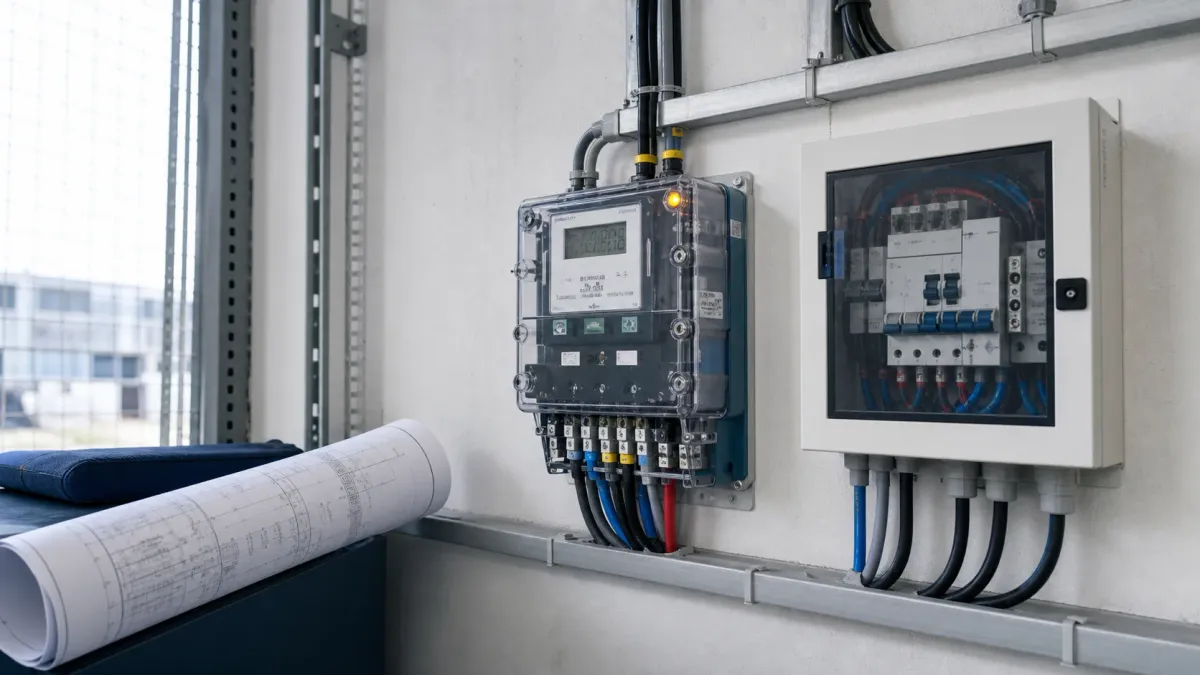
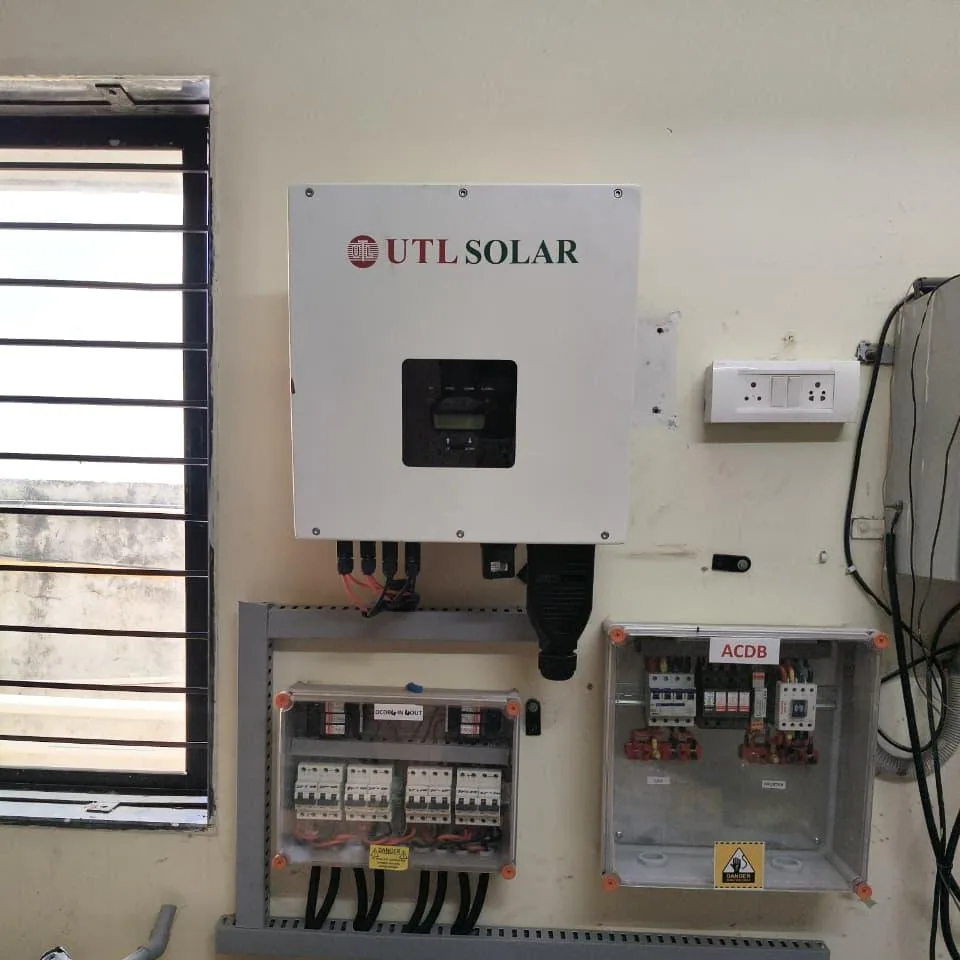
Many units in these belts take supply at HT with their own transformer. LT connectivity is available up to 150 kVA of contracted demand following the Fourth Amendment to the Supply Code; above that the scheme connects at HT, which changes protection, metering and the inspection route.
Net metering itself runs from 1 kW to 1 MW. A large plant with a big roof can reach that ceiling on area alone, so the regulation rather than the roof becomes the binding constraint.
Working over a live plant
Roof and structure work is sequenced around shifts. The one unavoidable outage is the final tie-in, and that window is agreed with your electrical team before the programme is fixed rather than discovered on the day.
Access matters as much as the schedule. Craning material over a working hall, protecting production below, and keeping safe routes for the crew are planned with the site rather than assumed.
Questions we are asked about this
Is rooftop solar worth it for a factory in Surat?
The load profile in these belts is heavily daytime, which is the most favourable condition for rooftop solar because generation coincides with consumption. Whether it works for a specific site depends on usable roof, structural capacity and the connection route.
Can solar be installed on an industrial sheet roof?
Usually yes, provided purlin spacing, sheet condition and fixings are assessed first. Where the roof cannot take a conventional structure, the alternative should be priced rather than the roof being loaded anyway.
Which areas does Destiny Electrical cover?
We work from Surat across South Gujarat, including Sachin, Pandesara, Hazira, Ankleshwar, Bharuch, Navsari, Vyara and Vapi.
Will installation stop production?
Roof and structure work is planned around shifts. The final electrical tie-in needs an outage, and that window is agreed with your electrical team before the schedule is fixed.
Work out what this means for your site
The calculator gives a first capacity range from one bill. A survey turns that into something you can put in a business case.